Fastest
A Kyoto class
Their plate, your hands
- Time90 minutes
- PieceThe studio's bowl or plate
- CostFrom $18
Price for your party
Kyoto Traditional Kintsugi Workshop in Gion Gold Repair Art
★ 4.9 · 2,155 ratings
Compare 4 choices
Type your party size and see each session's total.
≈
View≈
View≈
View≈
ViewStarting prices as on the booking platform, converted at the ECB reference rate. You see the exact price at booking.
Many travelers arrive with a broken bowl in a bag. This page sorts what a repair costs, what a class actually mends, where the line falls between a class and a craftsman, and how to pack a precious break for the trip.
Editorial team, kintsugikyoto.com · Updated November 6, 2026 · Reading: 7 min
Facts at a glance
Kintsugi repair cost is the question that brings many people here, and the plain answer is that no official page we read prints a price list. What the sources do give is what drives the price. A Fukui lacquer workshop quoted on JNTO's mindful-consumption page says that making kintsugi repairs can take several weeks or longer, depending on the complexity of the work.1 Time is the first cost.
Materials are the second. LACMA's conservator notes that gold powder is the usual choice but costs far more than brass powder.4 Pure gold on a final layer, as JNTO describes, costs more than a silver or brass finish.5 A repair priced by a craftsman will reflect the metal, the number of layers and the hours.
What we can give you in dollars is the price of the classes, taken from the listings. Those are real from-prices for a session at a bench, not a quote for repairing your heirloom, and the table further down sets them side by side. Anything beyond that, such as the cost of a commissioned repair, you will have to ask a craftsman, and a good one will want to see the piece first.
Class prices, side by side
| Session | Length | Group | From |
|---|---|---|---|
| One-hour class | 1 hour | Shared | from $16 |
| Our Gion workshop | 1.5 hours | Up to 16 | from $18 |
| Pottery with upgrade | 1.5 hours | Up to 10 | from $18 |
| Small-group afternoon | 2.5 hours | Up to 4 | from $108 |
| Jewelry workshop | 2.5 hours | Up to 10 | from $105 |
All prices are from-prices for one person, not exact quotes; they change by date.
JNTO writes that if you are coming to Japan you can book a workshop where you can bring your own piece in for repair.11 That does not mean every class does it. The Viator record for our Gion workshop says you repair a ceramic bowl or plate, and that a plates upgrade option is available; it does not say whether guests may bring their own.
Other Kyoto listings give the same hint. A 1.5-hour Viator class includes a standard pottery piece and lets guests upgrade to a wider selection of plates and bowls for an extra fee. A GetYourGuide listing runs 1.5 hours with an optional upgrade that, by its title, adds a second piece. In each case the studio supplies the piece.
So write to the studio before you pack. Ask whether a personal piece can be mended in the session, how many fragments it can hold, and whether the studio would rather you took the class on one of its own plates. A studio that says yes should tell you plainly what it can and cannot finish in the time, because a broken heirloom is a bigger job than a plate.
Session length
Durations come from the listings' own records.
A kintsugi class in Kyoto is the one price you can read off a screen. Our Gion workshop begins at $18 per person for 1.5 hours. A one-hour GetYourGuide listing starts from $16, and a 1.5-hour pottery workshop with an optional upgrade starts from $18. Prices move by date and party size, so treat them as a guide.
Longer, smaller sessions cost more. A 2.5-hour small-group session limited to 4 participants starts from $108, and a 2.5-hour jewelry workshop with natural stones starts from $105. The jewelry session is a different craft, as its title says: it makes jewelry with natural stones rather than mending a bowl.
All of these are starting prices for one person, not totals. Read each as a from-price, and expect an upgrade to add to it. Because we sell no classes ourselves, the price shown at booking is the one that counts, and the calculator above reads it for your party. Sessions also differ in size, from groups of up to 16 down to 4, which changes the attention you get for a repair of your own.
Which route
Start from how much the piece matters to you.
If A plate I would not mourn
A Kyoto class
The Gion record has you repair a bowl or plate.
If An heirloom I rely on
A lacquer workshop
Most clients of one Fukui workshop bring heirlooms.3
If A piece I want in a week
A class piece
Repairs by craftsmen take weeks or more.1
If A piece with a missing part
A craftsman
Gaps may need putty, wood or other ceramic.12
If I am only curious
A one-hour class
A one-hour listing starts from $16.
Three ways to mend
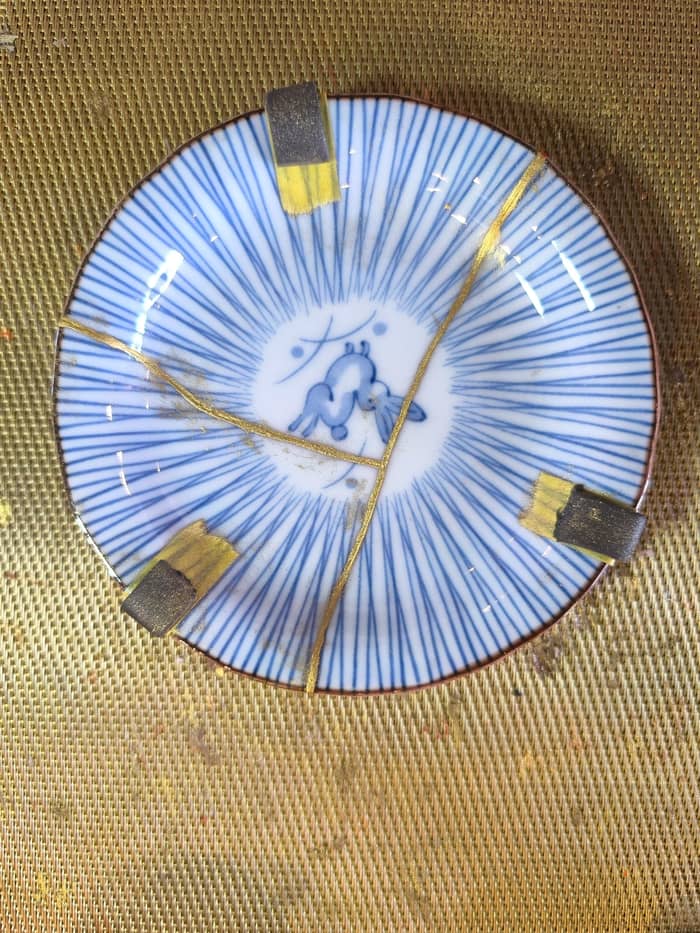
Fastest
Their plate, your hands
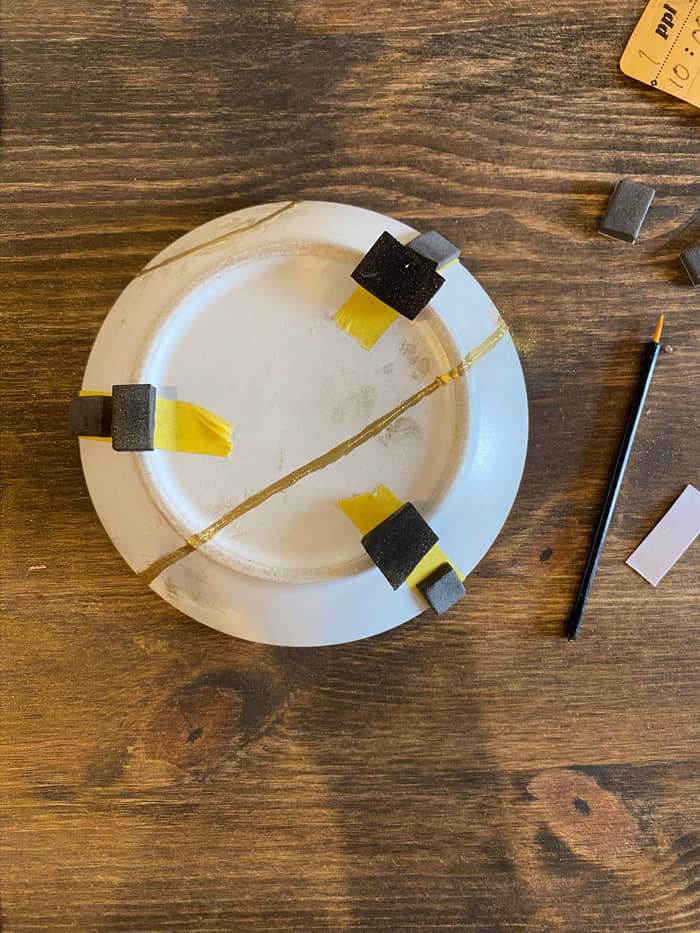
Best for precious
For heirlooms
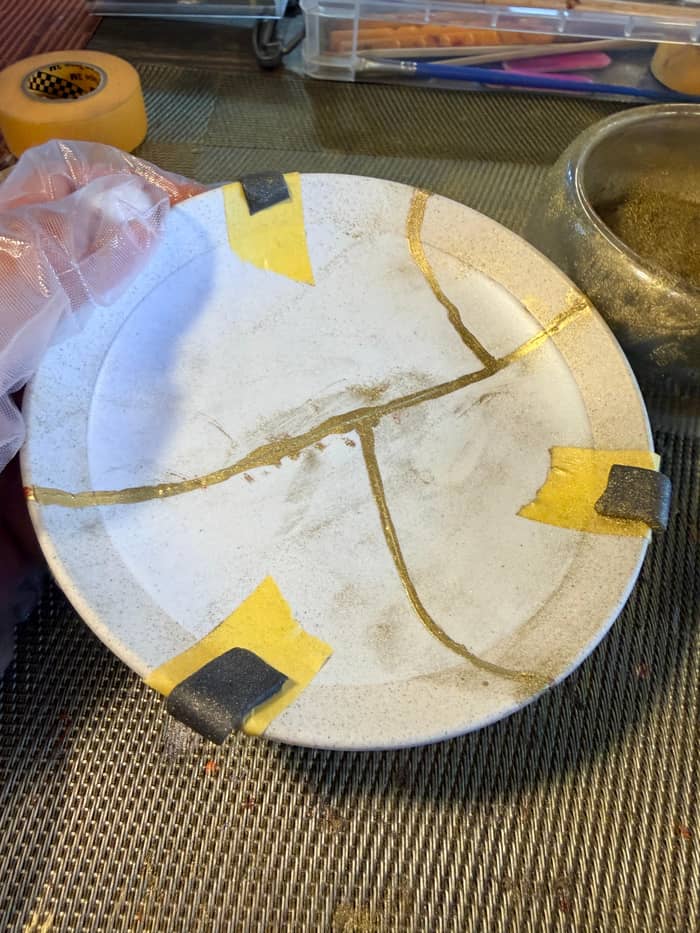
Cheapest
Practice on cheap pieces
A class suits a plate you will not cry over. A precious break needs a workshop. A lacquer workshop in Fukui told JNTO that the majority of its clients come with heirlooms and sentimental items, and that a repair can take several weeks or longer.3,1 Its method is slow on purpose: about a week in a dust-free, temperature-controlled drying cabinet, then metal powder polished to a shine with oil and powdered deer horn.8,13
In Tokyo, a monthly event at Japan Traditional Crafts Aoyama Square lets people have lacquerware and ceramics repaired by professionals, according to the Tokyo Metropolitan Government.14 In Kyoto, JNTO lists Yamada Heiando Lacquerware, where you can watch a demonstration by a skilled artisan and then try kintsugi yourself.15 Neither source says that the Kyoto house takes repair commissions.
The route for a true heirloom is therefore a conversation, not a booking. Photograph the piece and the break, keep every fragment, and email a lacquer or ceramics workshop with a question about timing and price before you commit. If the answer is several months, as JNTO notes for traditional materials, plan to have the piece posted rather than waiting for it.16
A repair, start to finish
Before you fly
Keep every fragment and photograph the break.
At the studio
The wait
A cabinet stay of about a week until the lacquer sets.8
After powder
LACMA leaves the powdered piece another week.9
Finishing
Burnishing makes the metal glossy.10
Home
A whole piece can take up to two months.2
If you want a kintsugi class in Kyoto that works on your own break, the email you send decides the day. Ask whether personal pieces are welcome, which materials the studio uses, and how the session handles the slow steps. JNTO's own guidance is to check the details of a course in advance, because workshops range from synthetic bond to genuine urushi lacquer.17
Ask about the piece too. Tell the studio how many fragments you have, whether any are missing and whether the piece has been glued before. Old glue is the kind of detail a repairer wants to know early, because it can change how the join is made and how long the job will take. Send photographs from several angles and say what the piece is made of if you know.
And ask about the finish you want. A silver line instead of gold is a named method, gintsugi, and a repair with no metal at all is urushitsugi.12 Say whether you want the break to disappear or to be seen. A studio that knows what you are after can tell you honestly whether a 90-minute session or a longer commission fits.
Video
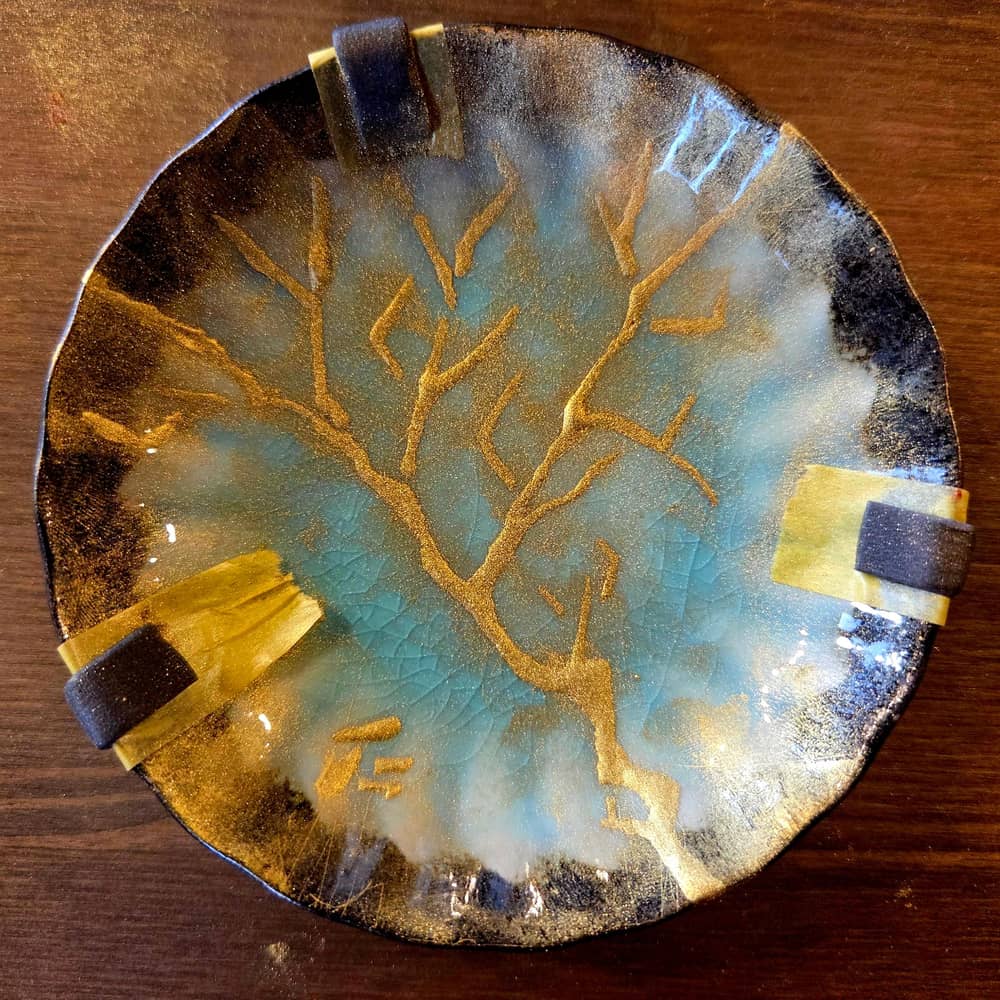
Domestika English on YouTube · Video data is requested only when you tap play.
take the opportunity to book a workshop where you can bring your own piece in for repair
Checklist
Kintsugi pottery in Kyoto has a natural home: the city's own wares. The Kyoto Museums Association notes that Kyoto pottery as a whole is called Kyo-yaki, and traditional craft wares carry the names Kyo-yaki or Kiyomizu-yaki.18 Tea bowls and tea jars were already flourishing there by the Edo period, which is the world the craft grew up in.19
If you do not have a broken piece, you can buy a plain one to break and mend. Museum curators note that utilitarian clay wares were often given the precious gold repair, making a simple tea bowl a cherished object.20 A modest bowl from a Kyoto pottery street is a sensible choice for a first project, and our page on Kyoto's Kiyomizu ware says where to look.
Choose with the repair in mind. Pick a plain glaze, a heavy body and a size you can hold in one hand. Remember that earthenware is fired between 800 and 1250 degrees C and porcelain between 1200 and 1400 degrees C, which affects how a piece breaks and how many fragments you end up with.21 Ask the potter or the shop what a bowl is made of before you choose.
Pack the pieces before you pack the bag. Wrap every fragment separately in soft paper, including the tiniest chip, and put them in a rigid box. A missing sliver cannot be replaced by guesswork, and a repairer can usually find use for a splinter you thought was rubbish, and a bag of loose pieces is easier to sort than a heap of dust.
Carry the box in your hand luggage. A checked bag is thrown and stacked, and a fragile heirloom in the hold is a gamble you do not need. If you also carry lacquer or a kit, remember the liquid rules: at Narita liquid in carry-on baggage must be in containers of not more than 100 ml, inside a transparent re-sealable plastic bag of not more than 1 liter.22
Plan the return as well. A repaired piece may need weeks to set, so decide whether you will wait, collect it later or have it posted. The Kyoto Handicraft Center offers international shipping for goods bought there, which is not a repair service but shows what a Kyoto shop can arrange.23 Keep the booking confirmation and the studio's email with the piece, and an ordinary photo of the unbroken object if you have one.
FAQ
A one-hour listing starts from $16; longer small sessions cost more.
JNTO says such workshops exist, but our record names a bowl or plate.11
A Fukui workshop says most clients bring heirlooms and sentimental items.3
LACMA says gold powder costs much more than the brass it used.4
Wrap each fragment and carry the box on board; liquids are limited.22
Sources
Also worth reading
Wondering what goes into a gold repair? A real person answers here.