Atmosphere
The slope
Gojo-zaka and Chawan-zaka
- SettingBelow the temple
- ShopsSouvenir and ceramics
- Best forA first look
Spot your stop
Find out about 12 stops
Start by picking a route; tap a pin or stop for its note and Google Maps.
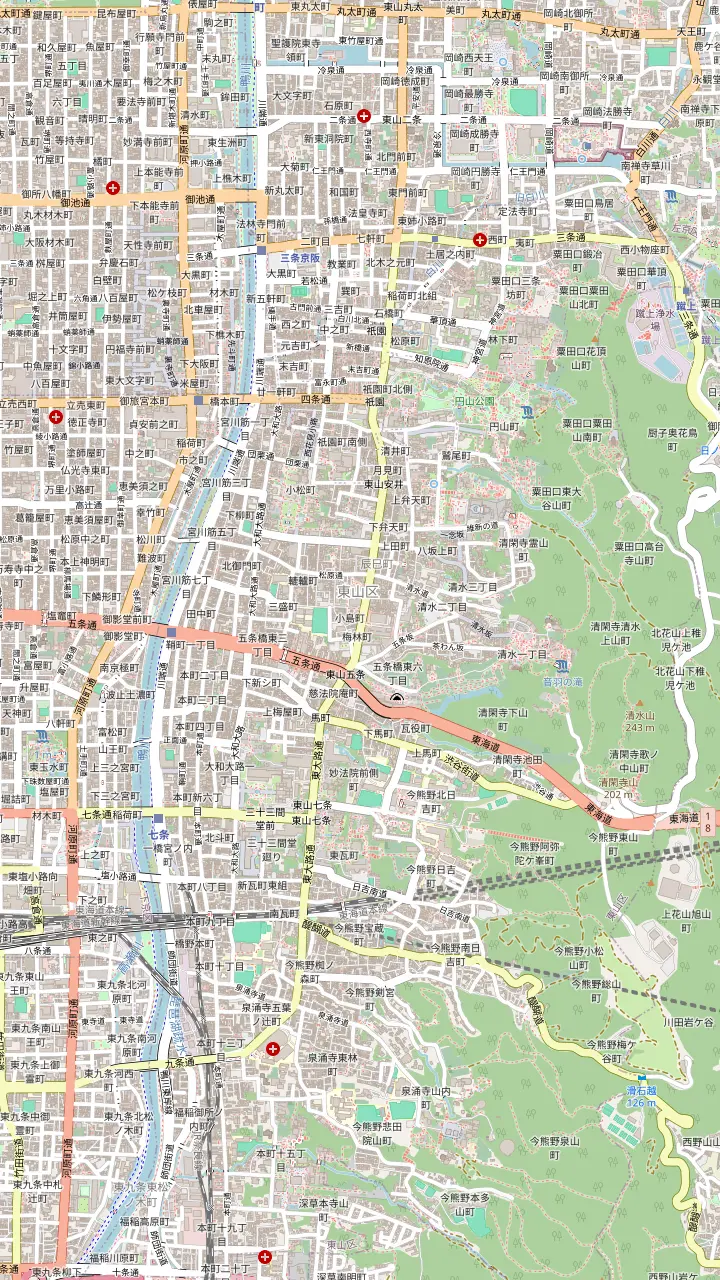
The Keihan station for the walk to the pottery slope; it is one of two basic routes from Kyoto Station.
Google MapsThe steep road up to Kiyomizu Temple, where 16th-century slopes held graduated kilns and the Kyoto Ceramic Center now stands.
Google MapsClose to Kiyomizu Temple, with the KONDO Museum of Yuzo Kondo's blue and white ware.
Google MapsThe temple above the slopes; Kiyomizu ware was created at its base 400 years ago.
Google Maps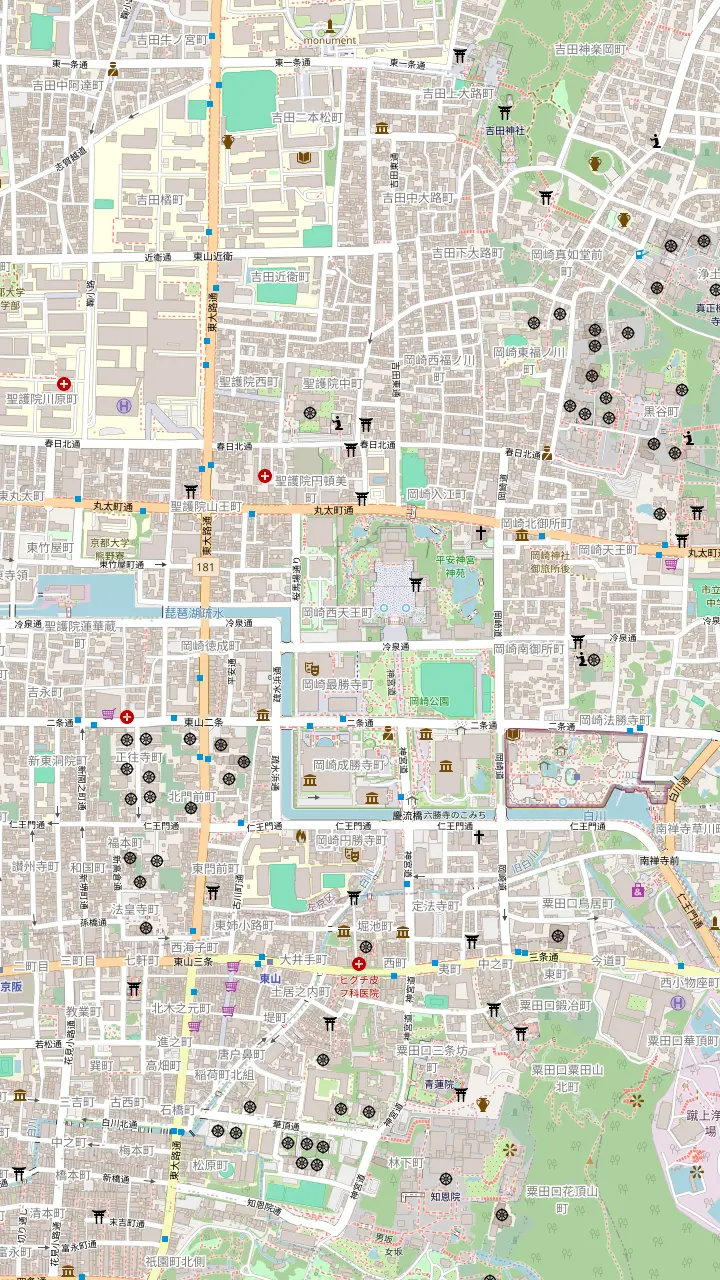
A shopping center in Okazaki, north of Heian Shrine, open since 1967, with pottery among its goods and international shipping.
Google MapsShows 200 objects in 74 categories of Kyoto craft and has a museum shop for utensils and interior goods.
Google MapsThe Heian Antique Market is held here once a month.
Google Maps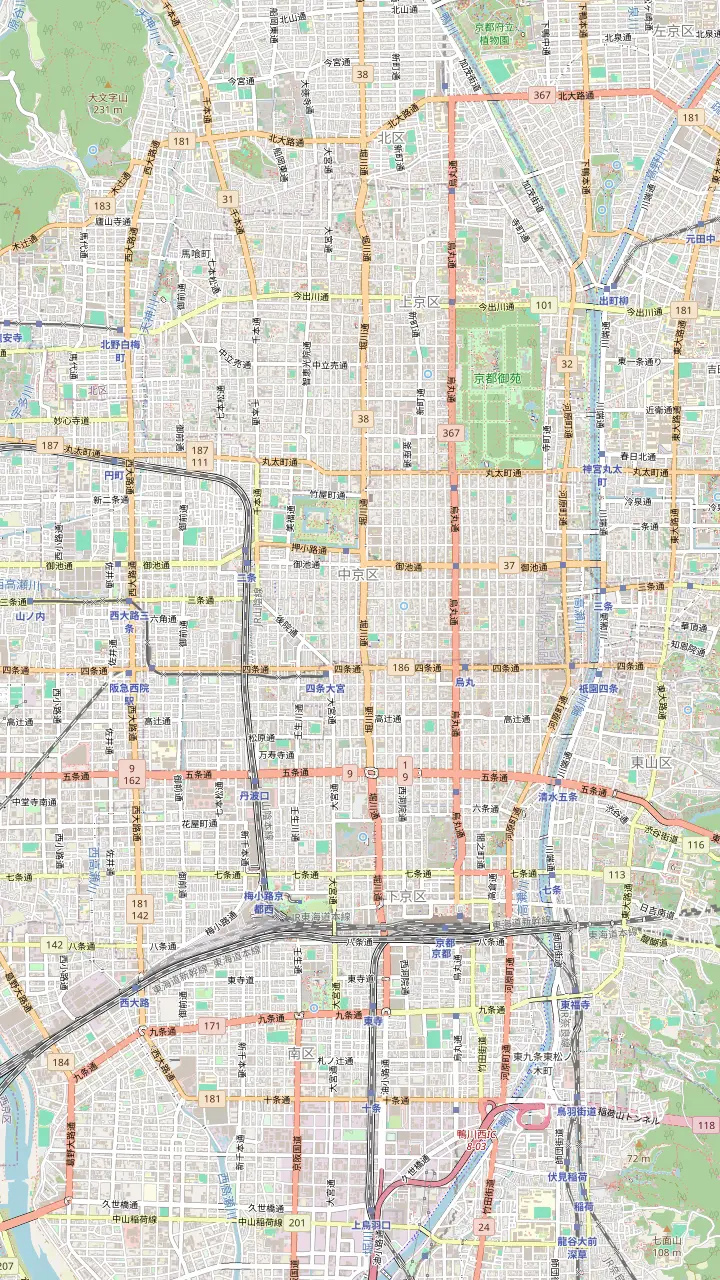
A contemporary craft shop near here centers its collection on everyday tableware by young craft artists.
Google MapsThe Tenjin-san flea market is held on the 25th of each month, from 7 AM to 4 PM.
Google MapsThe Kobo-san flea market runs on the 21st of each month and an antique and handicraft market on the first Sunday.
Google Maps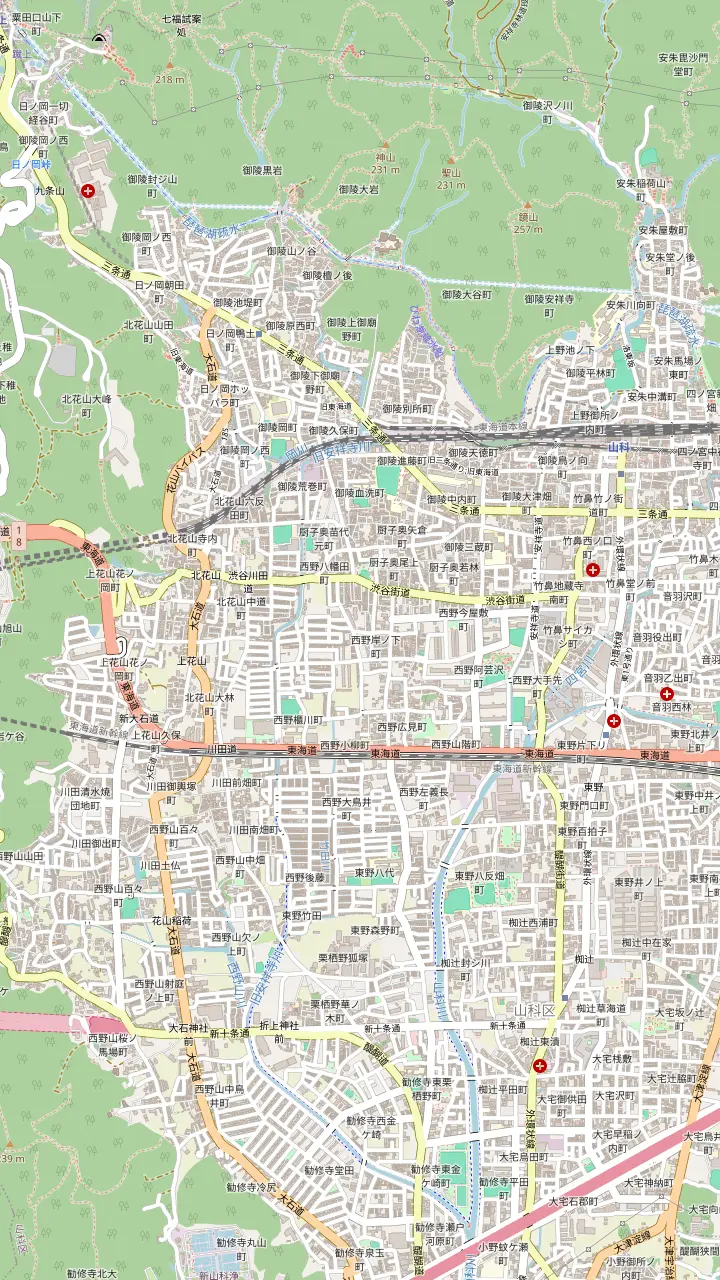
Reach it from Kyoto Station on the Tokaido-Sanyo Line, then a bus; the trip should take about 30 minutes.
Google MapsEstablished in 1962 and home to nearly 70 shops and companies selling Kiyomizu ware.
Google MapsMap data: © OpenStreetMap contributors
Before there is a gold seam there is a bowl. Kyoto's own pottery, from the slopes below Kiyomizu-dera to the potters' district in Yamashina, supplies the bowls that end up mended. This page maps where it came from.
Editorial team, kintsugikyoto.com · Updated November 6, 2026 · Reading: 7 min
Kyoto pottery in brief
Kintsugi in Kyoto is easiest to understand from the object upward. The gold repair needs a ceramic to hold, and the city has made ceramics for centuries. The Kyoto Museums Association says Kyoto's pottery goes by the collective name Kyo-yaki, with traditional craft wares sold as Kyo-yaki or Kiyomizu-yaki.1
JNTO is more generous with the name. About 400 years ago, it writes, Kiyomizu ware was created at the base of Kiyomizu-dera temple, and the name is now used for all pottery made in Kyoto.6 It is a kind of stoneware, and because of its fine appearance it is often mistaken for porcelain.7 That is worth knowing at the shelf, where a label and a first look can disagree.
That matters to anyone buying a bowl to mend, or breaking one to learn on. A piece of Kyoto ware has a pedigree of kilns, glazes and tea-room habit behind it, so a gold seam on it joins a long tradition of treating the damaged cup as the better one. The next sections follow the pottery from its slope to its present homes, and say where you can still see and buy it today.
Place by place
| Place | What is there | Area | Good for |
|---|---|---|---|
| Gojo-zaka | The old kiln slope | Below the temple | History, souvenirs |
| Chawan-zaka | Ceramic shops and a museum | Below the temple | Browsing bowls |
| Ceramic center | Work by Kyoto ceramists | Gojozaka | Priced, quality pieces |
| Pottery complex | Nearly 70 shops and firms | Yamashina | Factory-side shopping |
| October festival | Over 100 tents | Yamashina | Discounts, demonstrations |
Places from the Kyoto City Tourism Association, JNTO and the Kyoto Museums Association.2,15,16,17,18
The steep road leading up to Kiyomizu Temple is Gojo-zaka, and the Kyoto City Tourism Association says that in the 16th century these slopes were used to build graduated kilns.2 Beneath the temple Kyoto's pottery industry flourished, and today the road is lined with cafés and souvenir shops. The kilns have gone; the lane has stayed.
The skills came from abroad. JNTO writes that the first artisans who produced Kiyomizu ware learned their skills from Chinese and Korean potters.10 As the tea ceremony grew popular in the 16th century, local artisans began producing the tools and cups used in the ritual, and tea masters, noblemen and Buddhist monks serving tea in Kiyomizu ware made it sought after.11
By the Edo period the production of tea ceremony wares, such as bowls and tea jars, was flourishing in Kyoto.8 That is the same world in which kintsugi grew up: historians date the practice to the Muromachi period, though its exact origins are not known.12 Bowl and repair share a time and a taste, and both were made for people who valued a thing enough to look at it twice.
Chawan-zaka means, roughly, teacup slope, and it earns the name. The Kyoto City Tourism Association says the streets and alleys between the Kiyomizu temples are filled with souvenir shops for ceramics and other items, because Kiyomizu-yaki was developed there.15 On Chawan-zaka, close to Kiyomizu Temple, the KONDO Museum shows ceramic works by Yuzo Kondo, a National Living Treasure for his blue and white sometsuke ware.20
The Kyoto Ceramic Center was built in Gojozaka, where Kiyomizu ware originated, to make Kyoto ware more accessible and familiar to the public.21 It displays and sells ceramics by Kyoto ceramists, from famous masters to young potters, and hosts demonstrations by them.16 Stop here for a calm, priced look at what a good bowl costs before you wander the souvenir shops.
A note on labels: JNTO writes that Kiyomizu ware was historically made by unnamed artisans and created for export, while 17th-century Kyo-yaki was signed by artisans and produced for domestic use.22 If you want a signed piece, look at the base; if you want a plain bowl to mend, an unsigned one is fine. Ask the shop which is which, and ask what it is made of.
Which stop
Begin with the time you have and the result you want.
If I have an hour near the temple
The slope
The streets below Kiyomizu-dera are filled with ceramic shops.15
If I want a priced, good piece
The ceramic center
It displays and sells work by Kyoto ceramists.16
If I want the widest choice
The pottery complex
It has nearly 70 shops and companies selling the ware.17
If I visit in October
The festival
Ceramics are on sale at steep discounts.19
If I want to try the gold repair
A Gion class
Our record lists a 1.5-hour class for a bowl or plate.
Three pottery stops
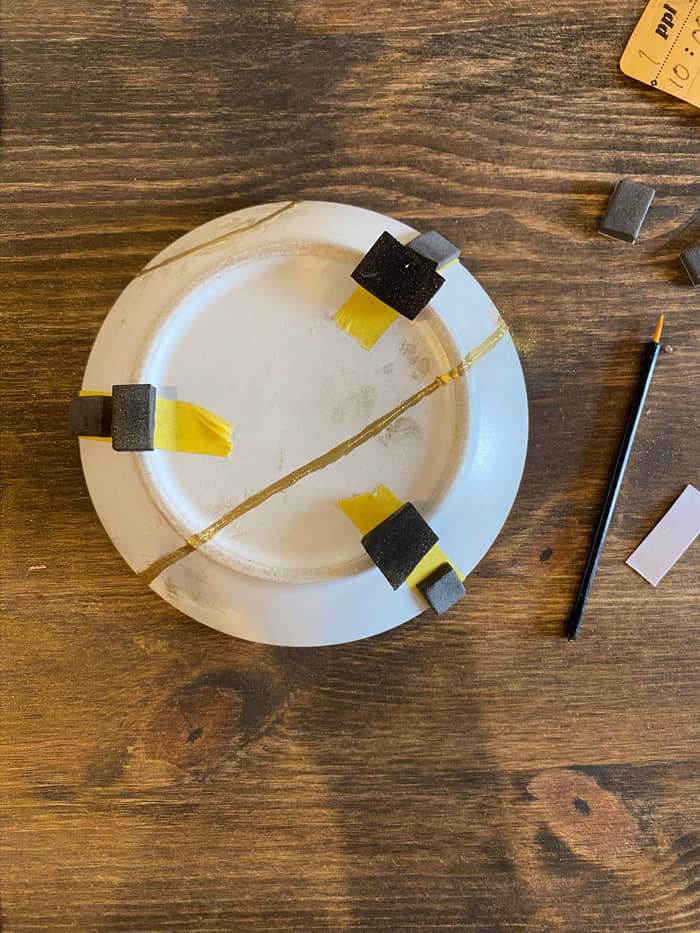
Atmosphere
Gojo-zaka and Chawan-zaka
Quality
On Gojozaka
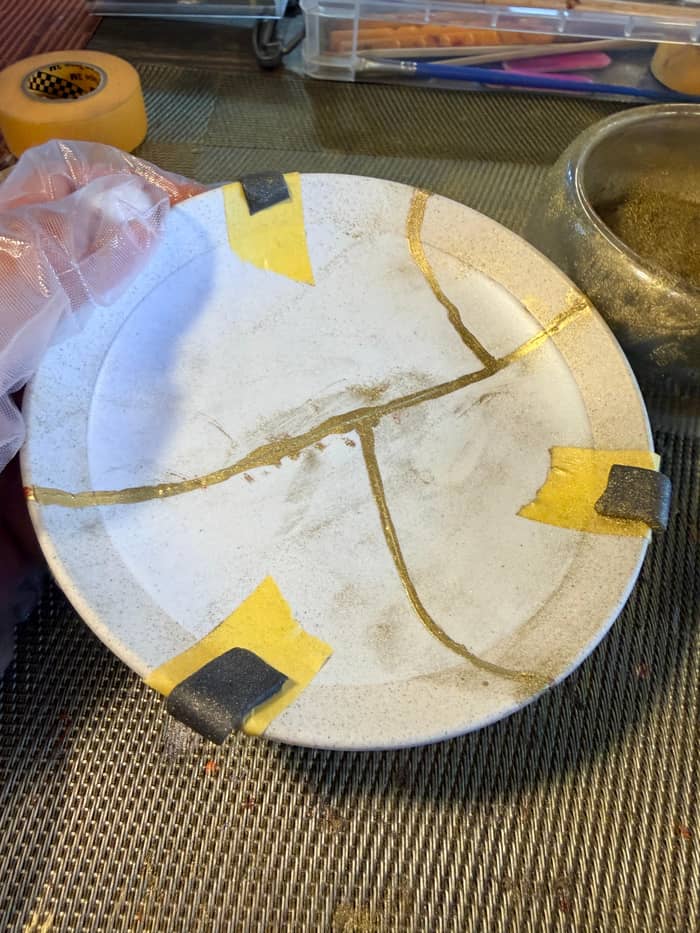
Choice
In Yamashina
From Kyoto Station, the Kyoto City Tourism Association gives two basic routes: City Bus #86 or #206 to Gojozaka Bus Stop, or, by rail, the JR Nara Line to Tofukuji Station followed by a Keihan train to Kiyomizu-gojo Station and a walk.33 Both lead to the same slope, so pick by the day's crowds rather than by the map.
The association warns that buses to Kiyomizu Temple tend to be crowded, so it proposes a subway-then-bus route via Kujo Station instead.35 From Kujo Station, bus #202, #207 or #58 (Saturdays and holidays only) runs to Gojozaka Bus Stop.36 The map that opens this page shows the station, the slope and the temple together.
Allow time for the hill. The streets in the area are narrow and often crowded, and the slope rewards slow walking: step into the shops with their doors open, look at glaze and weight in the hand, and do not hurry through the Ceramic Center. A bowl you hold is a bowl you understand, and that is the only way to know whether it will carry a repair well.
Price the class
Type your party size and see each session's total.
Compare 4 choices
Type your party size and see each session's total.
≈
View≈
View≈
View≈
ViewStarting prices as on the booking platform, converted at the ECB reference rate. You see the exact price at booking.
How the kilns moved
16th century
The slopes were used to build graduated kilns.2
Edo period
Tea bowls and tea jars were widely produced.8
As Kyoto grew
The kilns moved south over the hill.9
1962
Many shops and artisans remain there today.3
Each October
Takes place on the third Friday, Saturday and Sunday.4
The kilns had to leave. JNTO says the Kiyomizuyaki Pottery Complex was established in 1962, and the Kyoto City Tourism Association explains that as the residential population grew, the kilns had to move south over the hill behind the temple into Yamashina.3,9 Even though the potters' kilns no longer burn at the complex, many companies and artisans' shops remain.3
Nearly 70 shops and companies that sell Kiyomizu ware are based at the complex.17 From Kyoto Station, take the Tokaido-Sanyo Line to Yamashina Station and then a bus, which JNTO says takes about 30 minutes.34 Gallery Rakuchu-Rakugai in Yamashina shows Kiyomizu styles from ceramic artwork to delicate tableware, and at the Unraku-gama kiln you can see production with a phone or email reservation in advance.37,38
Aim for October. The Kiyomizuyaki no Sato Matsuri pottery festival takes place each year over the third Friday, Saturday and Sunday of the month, with ceramics on sale at steep discounts, pottery demonstrations and local delicacies.4,19 The Kyoto City Tourism Association adds that Yamashina's festival has over 100 tents of hand-crafted pieces.18
Video
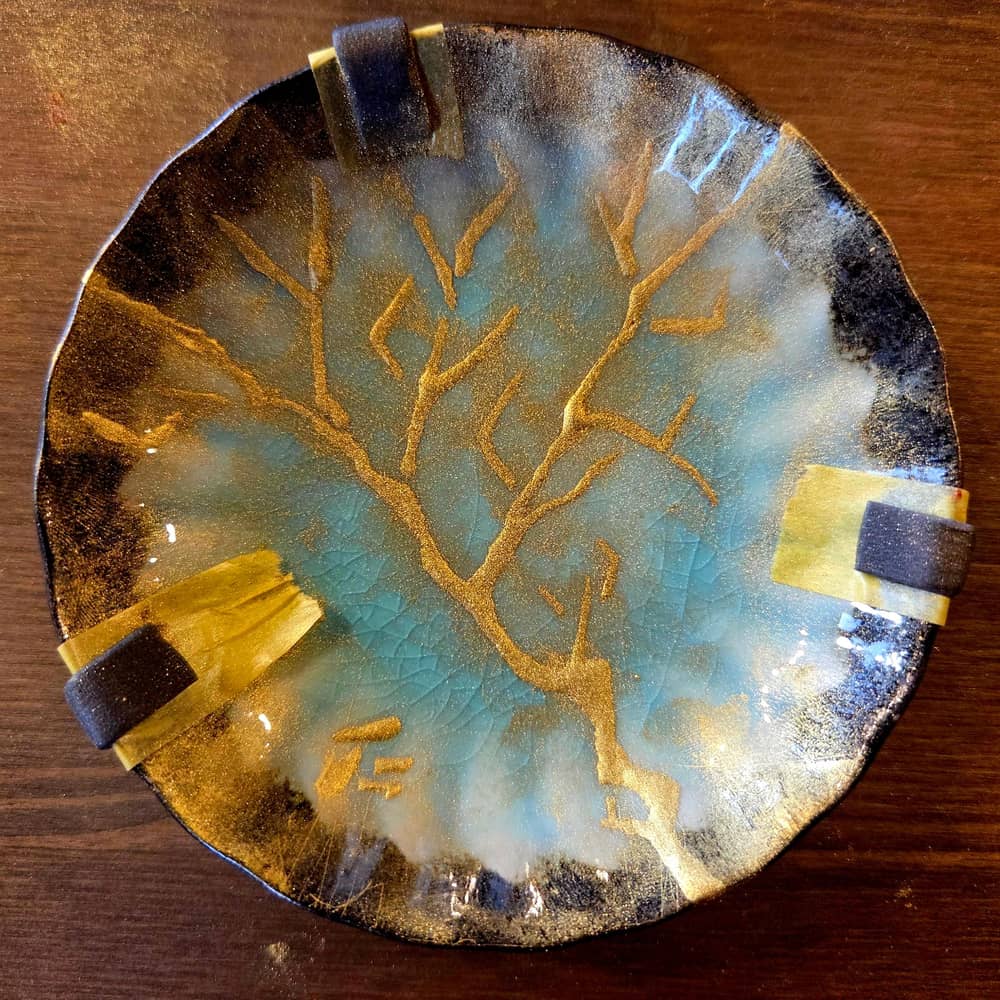
Unraku-gama on YouTube · Video data is requested only when you tap play.
Nowadays, Kiyomizu ware is the name that is used to describe all pottery made in Kyoto.
Checklist
Why do Kyoto bowls so often meet kintsugi? Japan House London says ceramics used in tea ceremonies, particularly the tea bowl or chawan, are cherished objects and have often been repaired using the kintsugi method.5 A bowl you drink from at a tea gathering is held in both hands and looked at closely, so a repair is seen, not hidden.
Kyoto's tea wares range widely. Raku-yaki is thought to date from late in the 16th century and is noted for a low firing temperature of 750 to 1100 degrees C.13 Nonomura Ninsei led with painted earthenware, and Ogata Kenzan and his brother Ogata Korin produced the daring Kenzan-yaki.39 Each has its own look under a gold seam.
Curators say much the same about humbler wares. Museum curators often find that utilitarian clay wares were given the precious gold repair, making a modest stoneware bottle or a simple tea bowl a cherished object.40 In the legend of the shogun Ashikaga Yoshimasa, his broken favorite tea bowl was first put back together with metal staples, the repair that kintsugi is said to have replaced.41
The Kyoto City Tourism Association treats Gion and Kiyomizu as one area, noting that Kiyomizu-yaki was developed there and that the streets between the temples are filled with souvenir shops.15 Our Gion workshop sits in the same part of town. The Viator record lists the class as 1.5 hours, with an English-speaking guide and a group of up to 16.
The record also says you repair a ceramic bowl or plate using traditional urushi lacquer and gold powder, and that a plates upgrade is available. That makes the class a fair match for a traditional kintsugi workshop in Kyoto, with the caveat that the record does not say which steps are prepared beforehand, so ask on the day. The class begins at $18 per person.
A neat day follows: a morning at the bench, then lunch, then an easy afternoon on the pottery slope with a sharper eye for what makes a bowl worth mending. You will recognize a seam when you see one, and you will notice the shape of a foot ring, the weight of a rim and the pull of a glaze. Buy one small bowl, and bring it home whole or, perhaps one day, mended.
FAQ
It began at the base of Kiyomizu-dera and now names all Kyoto pottery.6
Its fine appearance means it is often mistaken for porcelain.7
The Kiyomizuyaki Pottery Complex was established in 1962 and kilns moved there.3
City Bus #86 or #206 to Gojozaka, or Keihan to Kiyomizu-gojo Station.33
Japan House London says tea ceremony ceramics have often been repaired with kintsugi.5
The Viator record lists a group of up to 16 and a guide in English.
Sources
Also worth reading
Wondering what goes into a gold repair? A real person answers here.