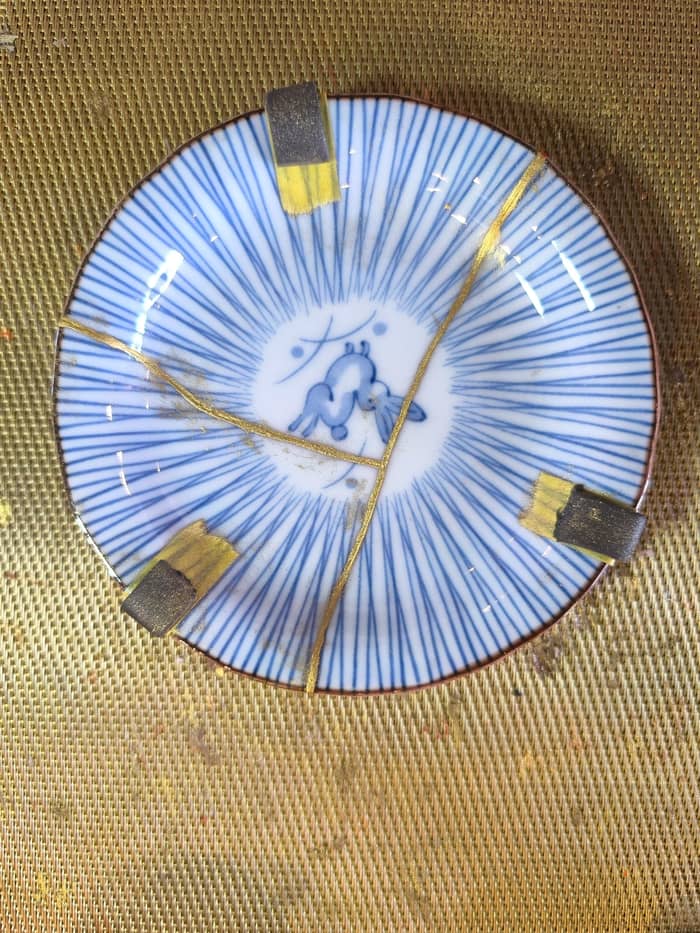
Signed and new
Buy a new piece
Craft shops and galleries
- WhereOkazaki, Teramachi
- CostNo price list
- ShippingSome shops ship abroad
Spot your stop
Short answer
Where to buy kintsugi in Kyoto: no official list names a shop, so look at craft centers, the Gojozaka pottery lanes and monthly flea markets, or make your own in a class.
Where to look
Find out about 12 stops
Start by picking a route; tap a pin or stop for its note and Google Maps.
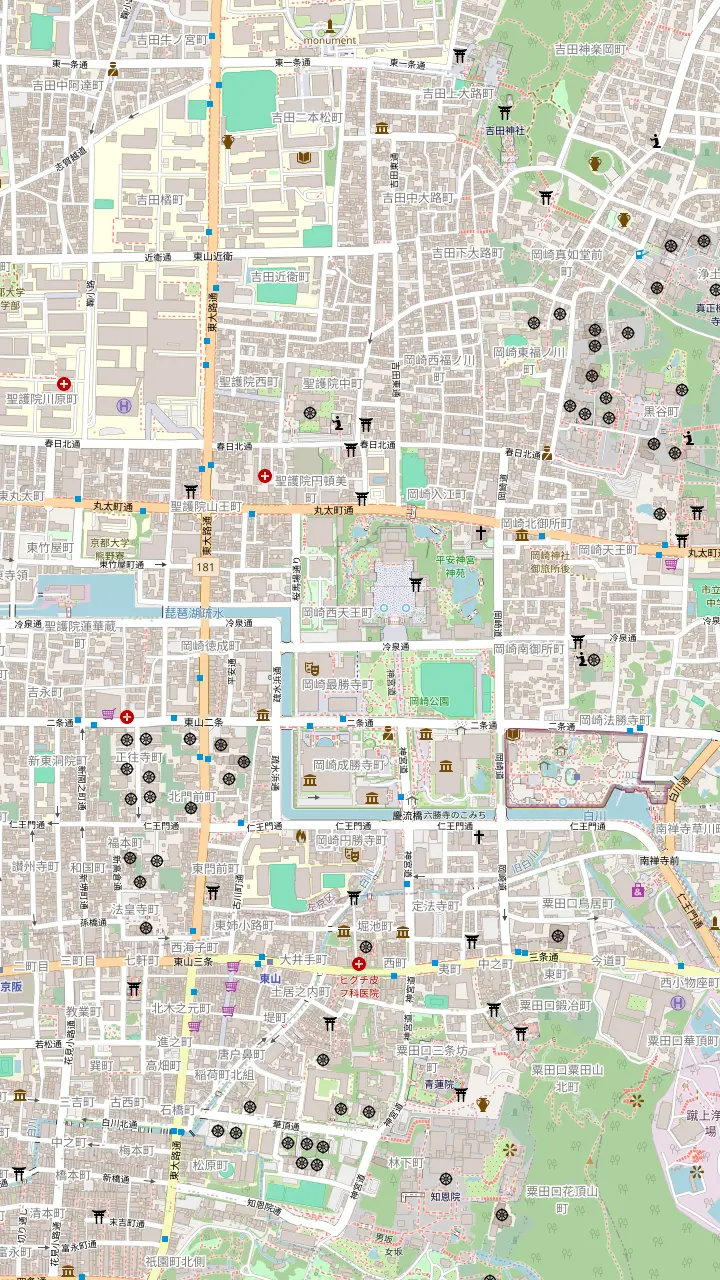
A shopping center in Okazaki, north of Heian Shrine, open since 1967, with pottery among its goods and international shipping.
Google MapsShows 200 objects in 74 categories of Kyoto craft and has a museum shop for utensils and interior goods.
Google MapsThe Heian Antique Market is held here once a month.
Google Maps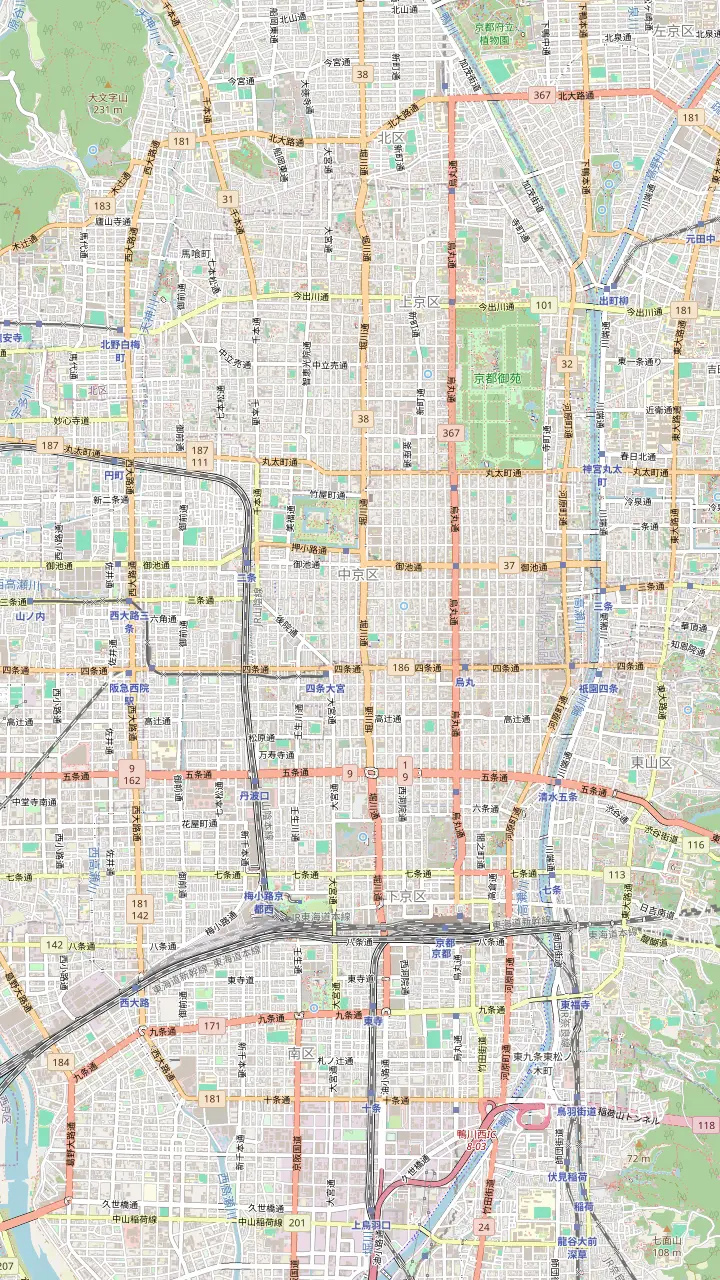
A contemporary craft shop near here centers its collection on everyday tableware by young craft artists.
Google MapsThe Tenjin-san flea market is held on the 25th of each month, from 7 AM to 4 PM.
Google MapsThe Kobo-san flea market runs on the 21st of each month and an antique and handicraft market on the first Sunday.
Google Maps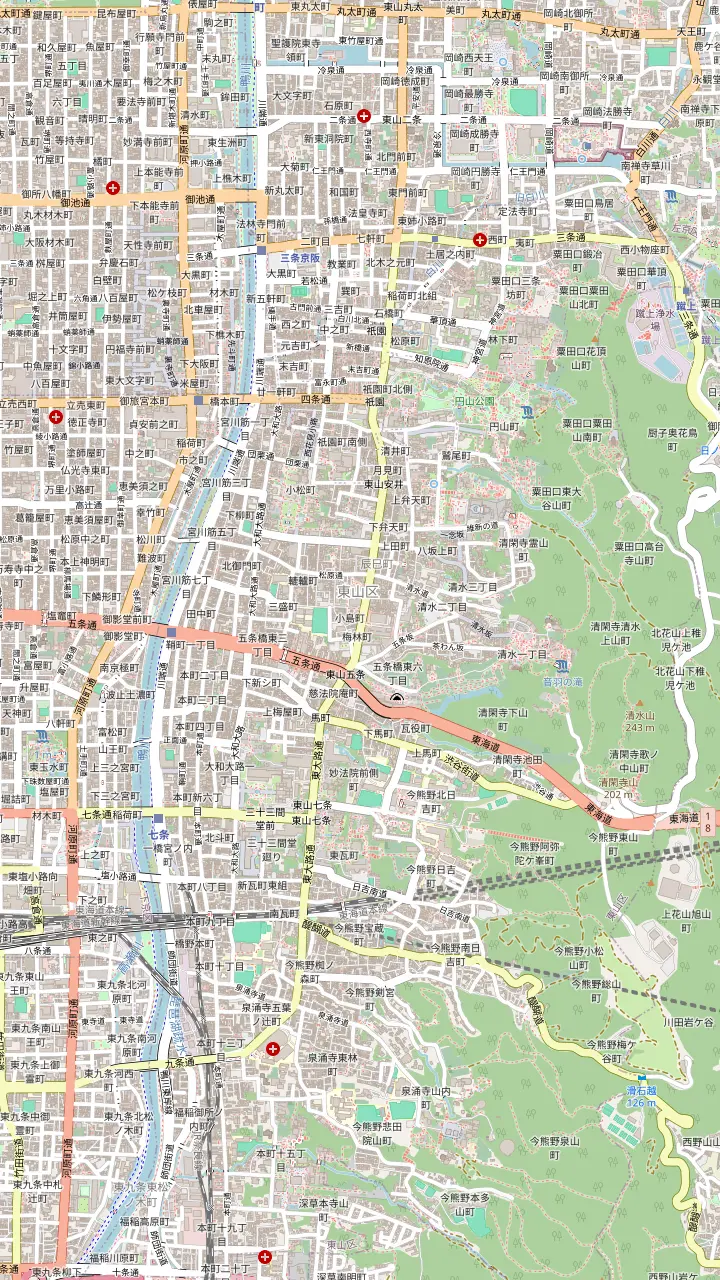
The Keihan station for the walk to the pottery slope; it is one of two basic routes from Kyoto Station.
Google MapsThe steep road up to Kiyomizu Temple, where 16th-century slopes held graduated kilns and the Kyoto Ceramic Center now stands.
Google MapsClose to Kiyomizu Temple, with the KONDO Museum of Yuzo Kondo's blue and white ware.
Google MapsThe temple above the slopes; Kiyomizu ware was created at its base 400 years ago.
Google Maps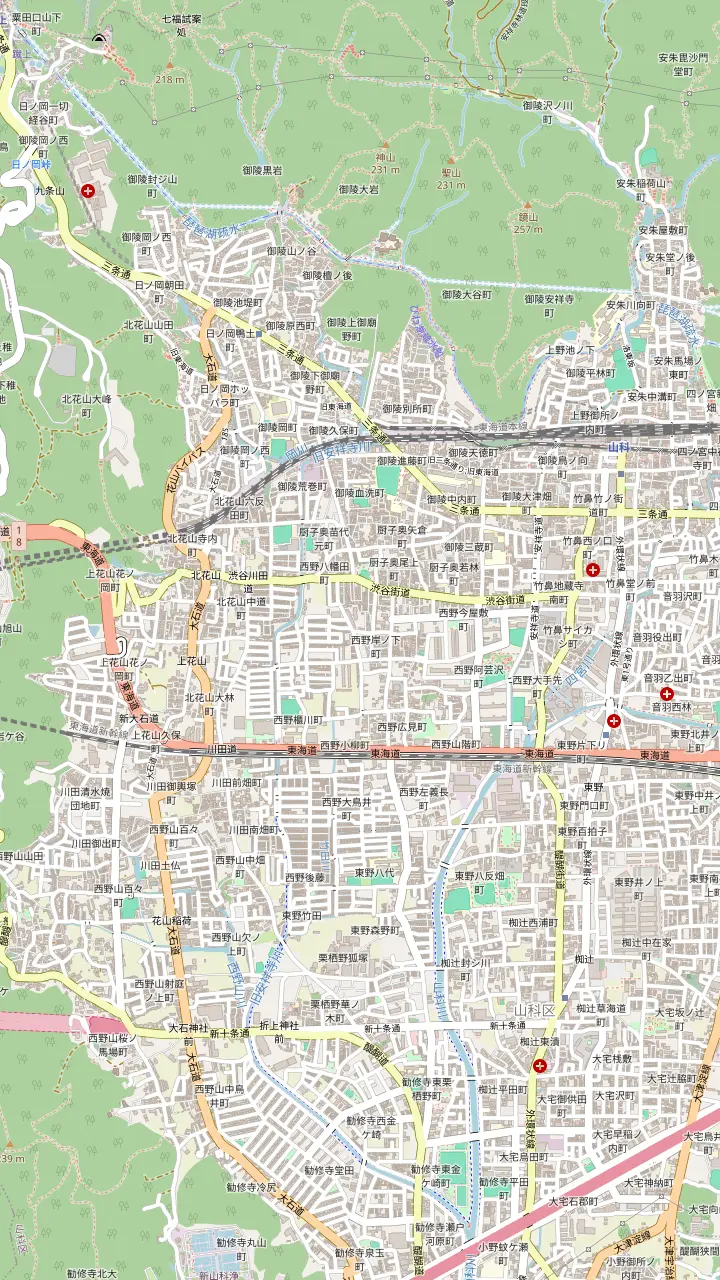
Reach it from Kyoto Station on the Tokaido-Sanyo Line, then a bus; the trip should take about 30 minutes.
Google MapsEstablished in 1962 and home to nearly 70 shops and companies selling Kiyomizu ware.
Google MapsMap data: © OpenStreetMap contributors
No official list names Kyoto's kintsugi shops, so this page maps where mended and mendable pottery turns up: craft centers, the pottery lanes by Kiyomizu-dera, monthly markets and a bench of your own.
Editorial team, kintsugikyoto.com · Updated November 6, 2026 · Reading: 7 min
Facts at a glance
Where to buy kintsugi in Kyoto has no single street for an answer. The Kyoto City Tourism Association and JNTO list craft shops, markets and workshops, but none of the pages we read names a shop that sells finished kintsugi, so we will not invent one. What the official guides do give is the kinds of place where pottery, lacquerware and old tea bowls are sold, and kintsugi turns up inside them.
The practical sorting is by what you want. A new, signed piece comes from a craft shop or a gallery. An old bowl with a gold repair comes from an antique stall. A plain pot to mend yourself comes from a pottery street. And a kit comes from wherever the workshop you attend sells supplies. Each has a different price range, and none has a published tariff.
JNTO also lists a Kyoto lacquerware house, Yamada Heiando, where you can watch a skilled artisan demonstrate kintsugi before trying it yourself.5 The source does not say that the house sells finished pieces, so ask when you visit. The map that opens this page pins every place named below, with the pottery lanes and the potters' district on their own panels.
Place by place
| Place | What it sells | Area | Best for |
|---|---|---|---|
| Craft center | Pottery, woodwork, paper | Okazaki | New gifts, shipping |
| Museum shop | Utensils and jewelry | Okazaki | Design-led pieces |
| Craft shop | Ceramics and lacquerware | Teramachi | Young makers |
| Ceramic center | Kyoto ceramists' work | Gojozaka | Kiyomizu ware |
| Temple flea markets | Antiques, handmade items | Toji, Kitano | Old bowls |
Sellers and goods from JNTO, the Kyoto Museums Association and the Kyoto City Tourism Association; none is described as a kintsugi specialist.1,12,13,14,15
The Kyoto Handicraft Center in Okazaki, north of Heian Shrine, is a shopping center that has been open since 1967.10 JNTO lists pottery, woodworking, paper goods, fabric, clothing, alcohol, tea and sweets among what it sells.1 The staff are multilingual and international shipping is available, which matters if you buy a fragile bowl.2
The Kyoto Museum of Crafts and Design shows 200 objects in 74 categories of traditional craft, and its museum shop sells daily utensils, interior goods and jewelry.11,12 It is the place to see what a finished Kyoto craft looks like before you choose what to buy or mend, and a good first stop to train your eye for glaze, weight and line.
In the middle of town, KYOTO YAMAHON is a contemporary craft shop near Teramachi that centers its collection on everyday tableware by young craft artists, including ceramics, lacquerware and woodworks.13 None of these shops is described as a kintsugi specialist, and a kintsugi shop in Kyoto, in the strict sense, did not appear in any official guide we read. A bowl with a hand-made line is the sort of thing a craft buyer might have, so it is worth asking.
Kiyomizu-yaki, one type of Kyo-yaki pottery, was developed in the Kiyomizu area, and the streets and alleys between its temples are filled with souvenir shops for ceramics and other items.16 The Kyoto Ceramic Center was built in Gojozaka, where Kiyomizu ware originated, to make Kyoto ware more accessible to the public.3
The center displays and sells ceramics by Kyoto ceramists, from famous masters to up-and-coming young potters, and hosts demonstrations by Kyoto ceramists.14 On Chawan-zaka, close to Kiyomizu Temple, the KONDO Museum shows works by Yuzo Kondo, a National Living Treasure for his blue and white sometsuke ware.18 It is a museum, not a shop, but its slope is a good measure of quality.
For something to mend, a plain bowl from these lanes is a sensible choice. Plan an hour on the slope, then continue up to the temple, and carry a light bag. Our companion page on Kiyomizu ware explains what the pottery is and how it differs from porcelain, and says what to look for before you buy, including how to read a signature or a seal on the base.
Which route
Start from what the piece is for.
If A gift that ships abroad
A craft center
The Handicraft Center offers international shipping.2
If An old bowl with a story
A flea market
Markets sell antiques and things no longer in stores.15
If A plain bowl to mend
The pottery lanes
The streets below Kiyomizu-dera are lined with ceramic shops.16
If A piece I made myself
A class
Our Gion class has you repair a bowl or plate.
If A tool kit to practice
A kit set
Tools and materials are often sold as sets.17
Three ways to get a piece
Signed and new
Craft shops and galleries
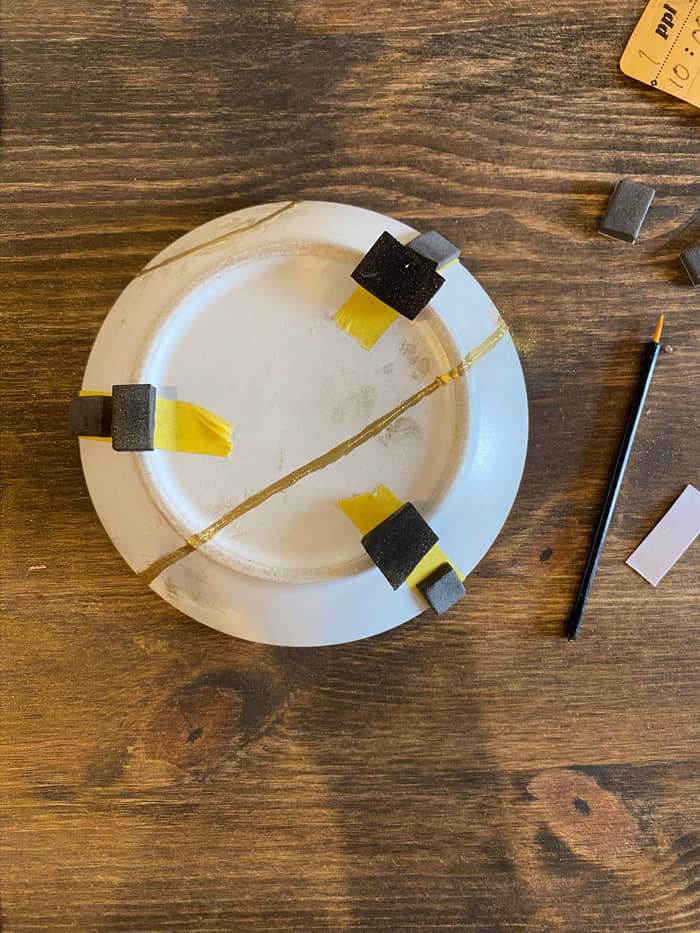
Old and mended
Flea markets and fairs
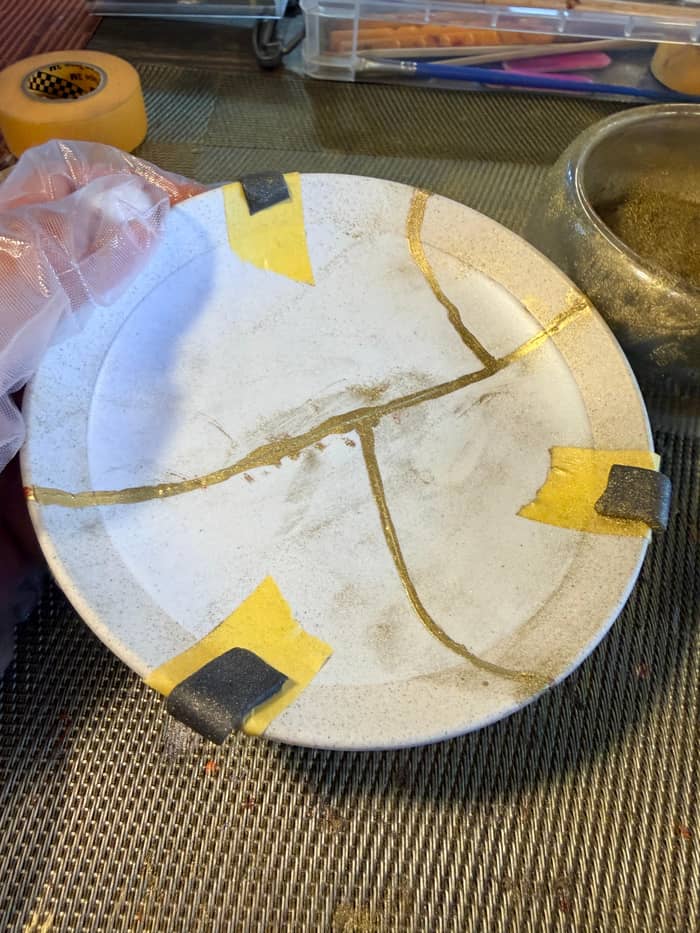
Your own hands
A class in Gion
Kyoto's markets are where old mended pieces are most likely to be. The Kyoto City Tourism Association says each market has a different variety of goods, including antiques, secondhand goods, handmade crafts and food, and that they may be great places to find special items, things that are no longer in stores or are hand made by the seller.15 No source promises kintsugi at any of them.
The dates are fixed. Toji Temple holds the Kobo-san flea market on the 21st of each month from 8:30 AM to 5:30 PM, and a separate Antique and Handicraft market on the first Sunday of each month from 7 AM to 4:30 PM.4,6 Kitano Tenmangu Shrine holds the Tenjin-san flea market on the 25th of each month from 7 AM to 4 PM.8 The Heian Antique Market is held once a month at Okazaki Park.7
JNTO also names the monthly Toji Temple Kobo market among Japan's flea markets with vintage clothing, handmade crafts and traditional goods, and ties them to the idea of mottainai.25 An old bowl with a gold seam fits that idea better than almost any object, so go early, carry cash for stalls and bargain gently.
Price the alternative
Type your party size and see each session's total.
Compare 4 choices
Type your party size and see each session's total.
≈
View≈
View≈
View≈
ViewStarting prices as on the booking platform, converted at the ECB reference rate. You see the exact price at booking.
The market calendar
First Sunday
It opens at 7 AM and closes at 4:30 PM.6
Monthly
Held once a month at Okazaki Park.7
The 21st
Open from 8:30 AM to 5:30 PM that day.4
The 25th
At Kitano Tenmangu from 7 AM to 4 PM.8
October
Takes place on the third Friday, Saturday and Sunday.9
Kintsugi kits are sold, but we found no official source for where in Kyoto. Web Japan notes that the necessary tools and materials are often sold together as kintsugi sets, and that in-depth videos make it easy to have a go.17 JNTO's advice for a serious try is to book a workshop with a seasoned practitioner first.26
Be careful what the kit contains. Workshops and sets employ materials that range from synthetic bond to genuine urushi lacquer, as JNTO puts it, and the cheaper end tends to use quicker substitutes.27 Urushi is toxic and can irritate the skin and throat of people who are sensitive to it, so a kit with raw lacquer is not a casual souvenir.28
If you carry lacquer home, mind the airport rules. At Narita, liquid in carry-on baggage must be in containers of not more than 100 ml, inside a transparent re-sealable plastic bag of not more than 1 liter.29 Anything larger can go in a checked suitcase.30 A shop that ships abroad, such as the Handicraft Center, avoids the question for sturdier items.2
Video
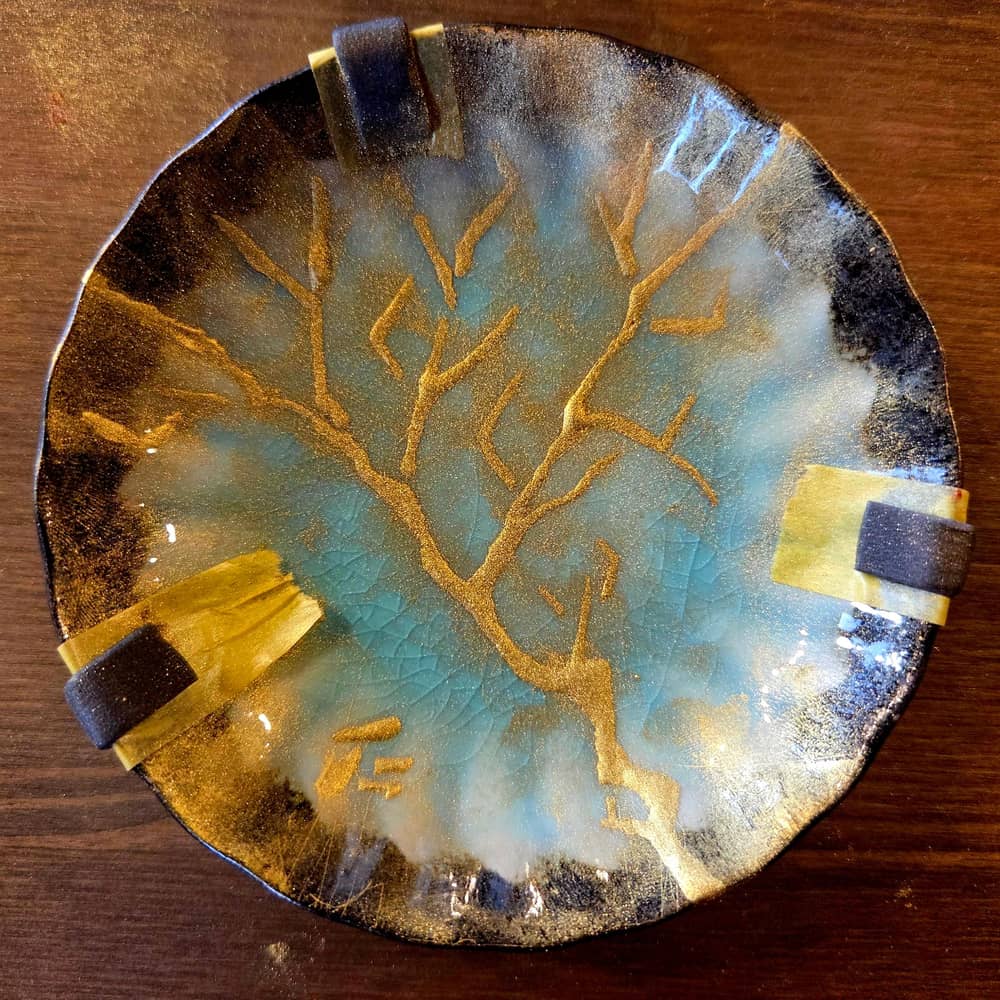
PiQtour Japan on YouTube · Video data is requested only when you tap play.
Each market has a different variety of goods on sale, including antiques, secondhand goods and clothing, handmade crafts and foods.
Checklist
No official source prints a price for a finished kintsugi piece, and prices vary with the base object, the metal and the hours. What the sources do tell you is what to look at. LACMA's conservator notes that gold powder is the usual choice but costs far more than brass powder.31 Ask which metal is on the piece.
Ask about the binder as well. Some craftsmen shorten the drying time and the expense with synthetic epoxy and lacquer made of cashew shells, JNTO writes, while the classical technique uses only natural materials.32,33 A real urushi repair takes weeks, so a shop that promises one made on the spot is probably using a quicker method.
Look at the line itself. A repair that is evenly burnished and sits flush with the surface suggests care; a raised, patchy line suggests haste. Museum curators note that an intricate kintsugi repair raises the value of a piece, which is a reason to buy a good one rather than a quick one.34 If in doubt, buy the object you like and not the story the seller tells.
The cheapest route to a piece of kintsugi is to make one. Our Gion workshop runs 1.5 hours, takes up to 16 people in a shared group and begins at $18 per person. You repair a ceramic bowl or plate using traditional urushi lacquer and gold powder, according to the record, and finish the piece to take home.
That is not the same as buying a master's work, and we do not pretend otherwise. A guest's repair is a first effort, with some steps prepared, and a craftsman's piece reflects years of practice, as JNTO says of the craft.35 But it has a story that no shelf can sell: you watched the gold go on, and you know exactly where each line came from.
Combine the two. Spend the morning at the bench, then the afternoon at the pottery lanes or a market with a better eye for what a repair involves. You will tell a careful seam from a hasty one, and you will know how long a good one takes, which is the best defense against paying too much for a piece that only looks old.
FAQ
JNTO says its staff are multilingual and international shipping is available.2
The streets between the Kiyomizu temples are filled with ceramic shops.16
LACMA says gold powder costs far more than the brass powder it used.31
Tools and materials are often sold together as kintsugi sets.17
Our Gion workshop runs 90 minutes and begins at $18 per person.
Sources
Also worth reading
Wondering what goes into a gold repair? A real person answers here.