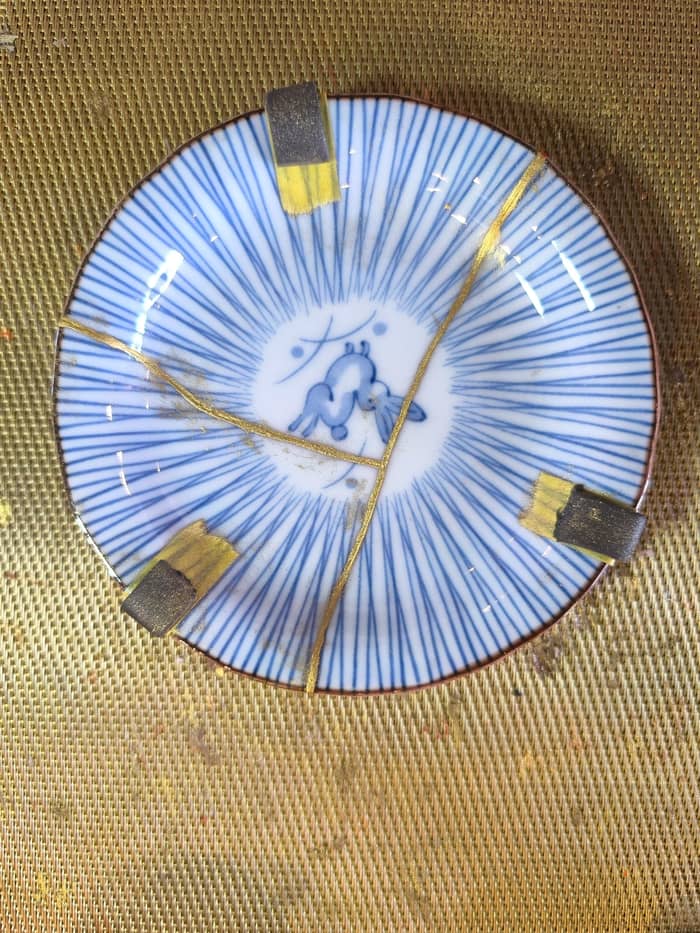
Safest choice
A display piece
Looked at, not eaten from
- BinderAny, if labeled
- CureAsk the maker
- WashingDust only
Interactive tick list
Short answer
Whether you can eat from kintsugi depends on the binder: a Tokyo studio calls traditional urushi the only food safe method, and a craft glue is described as safe on tableware.
What to check
Checklist · 8 tasks
Tick off each point as you complete it. This device keeps your progress.
0 / 8 ready
Ready to go. Only the day is left: your 90 minutes at the bench.
Reserve a spotThe answer depends on what holds the gold on, and on whether it has finished hardening. Here is what the sources say, where they disagree, how to wash a repaired piece and how to get one home in one piece.
Editorial team, kintsugikyoto.com · Updated November 6, 2026 · Reading: 7 min
Facts at a glance
Can you eat from kintsugi depends entirely on the repair, and the sources do not all say the same thing. A Tokyo studio listed by JNTO describes traditional kintsugi as the only food safe method, contrasting it with modern techniques that rely on chemical glues, and says traditional kintsugi uses natural ingredients such as urushi lacquer.1 That is a studio speaking about its own craft, not an inspection.
Web Japan describes the opposite end of the range: a simple method that uses a water-resistant craft glue that can be safely used on tableware, with the join traced over in acrylic ceramic paint.4 So a repair can be marketed as safe for food from either camp, and what matters is which glue is actually in the seam.
We found no official body that tests mended pottery for food contact, so we cannot give a rating. What we can do is tell you what to ask, what the materials are known to do, and how long a piece should rest before it meets a meal. Treat the answer as a conversation with the maker, not a blanket yes or no.
What each binder claims
| Binder | Food claim | Who says it | Check |
|---|---|---|---|
| Natural urushi | Called food safe | A Tokyo studio | Ask if cured |
| Craft glue and paint | Safe on tableware | Web Japan | Ask which glue |
| Epoxy | Not stated | No source | Ask for the label |
| Cashew lacquer | Not stated | No source | Ask for the label |
| Our Gion class | Not stated | Viator record | Ask at the bench |
Claims are the sources' own; where none is given we say so.1,4,17
The worry about urushi, the lacquer behind the Japanese art of fixing broken pottery, is about the sap in its liquid state. LACMA's conservator describes urushi as a toxic sap from the poison ivy family that can irritate the skin and throat of people who are sensitive to it.2 A paper in the NIH archive calls urushiol a very potent allergen that commonly causes contact dermatitis after exposure.10
Then it hardens. As lacquer dries, it reacts with oxygen in the air and hardens to a strong, glossy finish resistant to heat, water, acids and alkalis, as the JNTO guide to mindful consumption puts it.11 JNTO adds that after filtering, urushi forms a hard, waterproof surface when dried properly, and niponica notes that it hardens while absorbing moisture.12,13
The word that does all the work is properly. A repair that has not hardened is a skin hazard and a poor candidate for food, which is why the next section is about time. Everyday lacquerware on bowls and dishes is old practice in Japan; JNTO writes that urushi is the finish of choice for objects as ordinary as dishes and bowls.14
Cure times are the number that matters most for food. Japan House London says the joined object goes into a wooden drying cabinet for one to three weeks, at a warm temperature and humidity, so that urushi can harden by absorbing oxygen and moisture from the air.7 LACMA says it takes another week in the humidification chamber for the urushi to set completely after the powder goes on.8
Whole repairs are slower still. A Fukui workshop quoted by JNTO says repairs can take several weeks or longer depending on the complexity, with about a week in the drying cabinet until the lacquer sets, and Web Japan says it can take up to two months to complete a piece.20,21,3 None of these sources links a number of weeks to food safety, so treat them as the range in which a careful maker works.
For a traveler, that has a plain consequence. A piece made in a single session cannot be a fully cured urushi repair unless most of the steps were done before you arrived. The 90-minute Gion class lists tools and space to do kintsugi in its price, and its record does not say which steps are prepared. Ask. Then keep the bowl for display until the maker says it is ready.
Which use
Match the repair to the use before you start.
If A souvenir on a shelf
Any labeled repair
Wet urushi irritates, but a cured piece sits safely on display.2
If A cup for tea
Ask for the binder
A studio claims urushi is the only food safe route.1
If A gift for someone else
Say what it is
Listings name materials from synthetic bond to urushi.18
If A bowl for hot soup
Wait for full cure
A whole repair can take up to two months.3
If A heirloom I rely on
Use a workshop
Workshops in Fukui repair heirlooms for clients.19
Three ways a piece gets used
Safest choice
Looked at, not eaten from
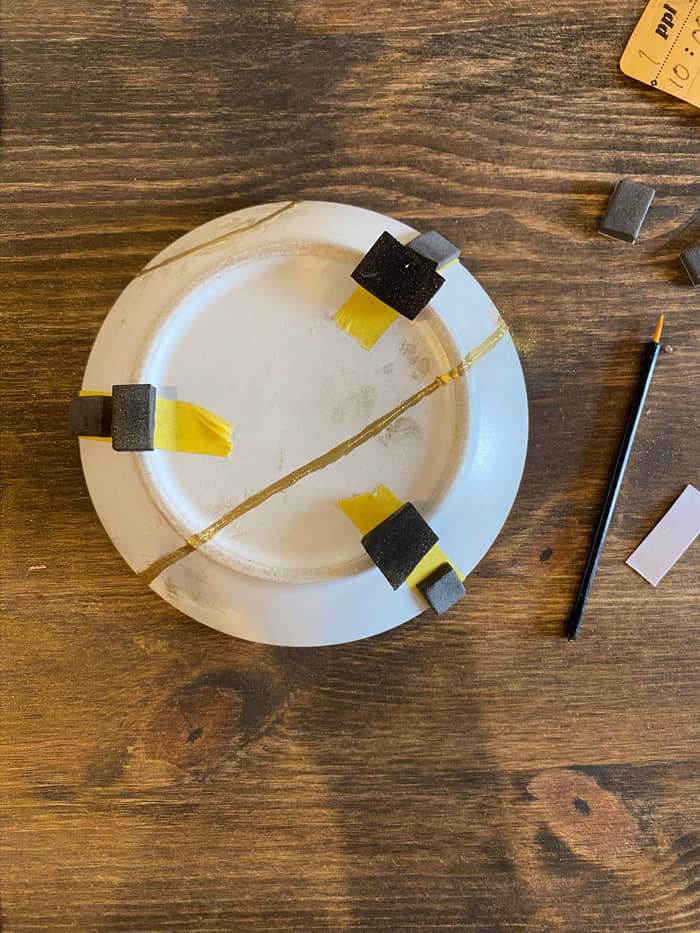
Check first
Dry snacks and sweets
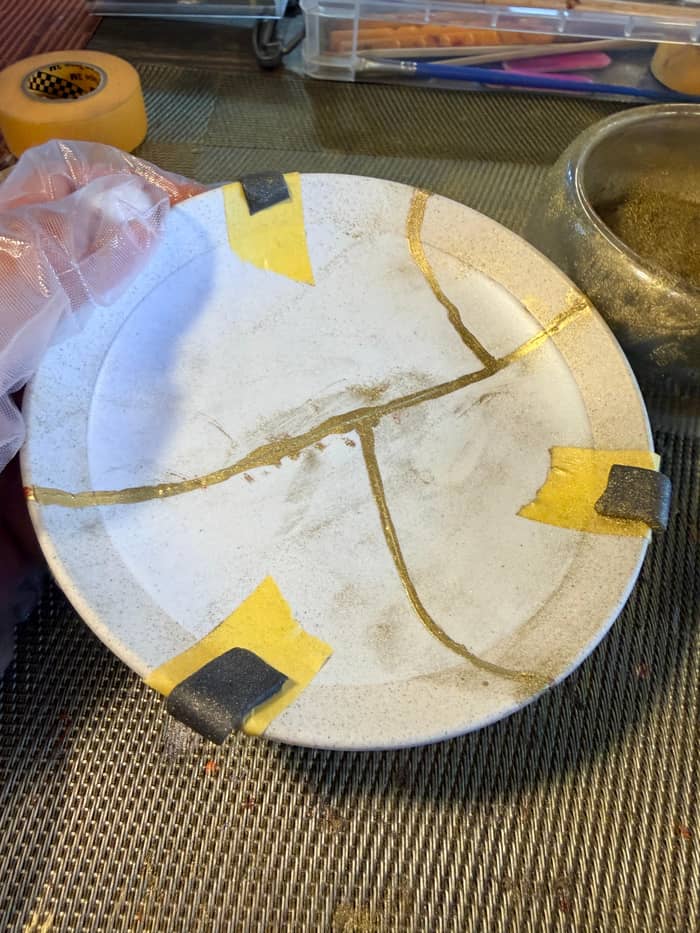
Ask for proof
Hot food, frequent washing
Shortcuts change the food question. JNTO says some craftsmen shorten the drying time and the expense with synthetic epoxy and lacquer made of cashew shells.17 The binder is the part that touches whatever is in the bowl, so it is the part to ask about, and no answer should be satisfied by the word kintsugi alone.
Listings state their methods very differently, which makes comparing them harder than it should be. One Kyoto Viator listing says it uses fast-drying materials, so that a piece is dry by the end of the hour and can be packed the same day, and its record says nothing about food use. Another listing, for our Gion workshop, names traditional urushi lacquer and gold powder and also stays silent on food.
JNTO's advice is to check the details of a course in advance, because workshops employ materials from synthetic bond to genuine urushi lacquer.18 Add one more question to that: is this piece meant for a plate on the wall or a bowl on the table? A good instructor will tell you plainly, and a plain answer is worth more than a promise. If the answer is vague, treat the piece as decorative.
The wait before use
Day one
The adhesive and putty go on and the piece enters the cabinet.5,6
Weeks
The cabinet stay is one to three weeks.7
After powder
LACMA leaves the piece another week in the chamber.8
Finish
Burnishing makes the metal glossy.9
Ready
A whole repair can take up to two months.3
Museums show how varied mended pieces are. The New Orleans Museum of Art notes that curators often find utilitarian clay wares given the precious gold repair, making a modest stoneware bottle or a simple tea bowl a cherished object.22 A tea bowl is meant for a mouth; a bottle is meant for liquid; the repair has been trusted with both.
Other examples were never for food. NOMA owns a thirteenth-century celadon-glazed funerary jar from the Longquan kilns whose repaired finial gives the bird a bright gold head, and a 2001 vase by Robert Archambeau whose firing cracks are highlighted with gold.23,24 Web Japan adds that glass can also be restored by skilled kintsugi artisans using special techniques.25
Examples of kintsugi therefore cover everything from table objects to sculpture. Historic ceramic collections show that an intricate repair raises the monetary and philosophical value of an object.26 When you choose what to mend, decide first whether you want it to be touched by a spoon or only by your eyes.
Video
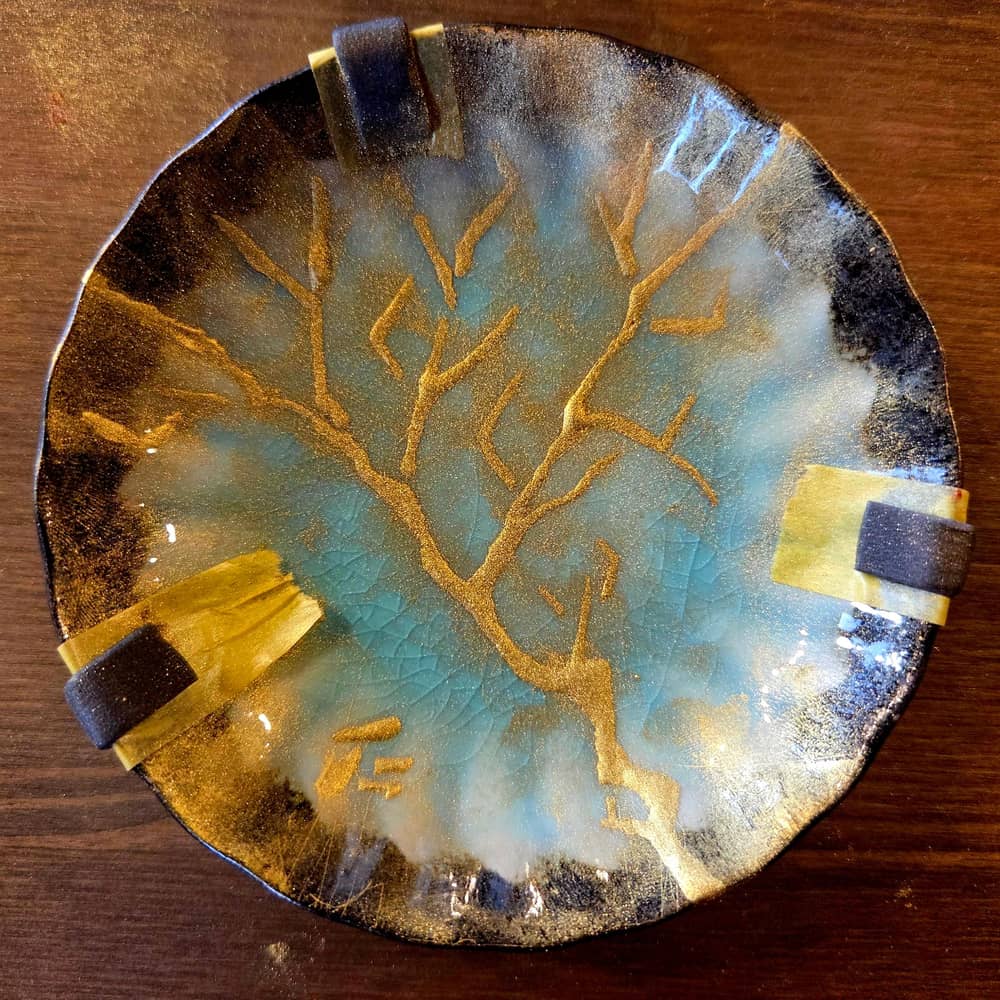
Alex on YouTube · Video data is requested only when you tap play.
Tsugu Tsugu is specialized in traditional kintsugi, the only food safe kintsugi method. While modern techniques rely on chemical glues, traditional kintsugi exclusively uses natural ingredients such as urushi lacquer.
Here the sources fall silent. We found no official guidance on dishwashers, microwaves or boiling water for kintsugi, so what follows is care advice, not a rule. Wash a mended piece by hand, with a soft sponge and mild soap, and dry it gently. Avoid scrubbing along the seam, where the metal powder sits on a thin layer.
The finish itself is more robust than it looks. Hardened lacquer is described as resistant to heat, water, acids and alkalis.11 But a repair is a thin line on a ceramic body, and burnishing makes the powder glossy rather than armored.9 Keep hot liquids and rough cleaning away from the seam until you are sure of the method used.
Lacquerware wears and can be refreshed. Lacquerers can restore a worn finish and repair chipped edges, and customers often bring well-loved heirlooms to workshops such as Shitsurindo in Fukui for repair.11,19 A repaired bowl that chips again is not a failure; it is another chapter, and the person who mended it can mend it again.
Wrap the piece in soft paper and carry it in your hand luggage, not your checked bag. If the maker says the lacquer is still setting, keep the seam from touching anything. A piece that is still curing will pick up whatever lies against it, and a gold line pressed into bubble wrap will be a different line when you unwrap it.
If you buy lacquer or a kit, the liquid rules apply. At Narita, liquid in carry-on baggage must be in a container of not more than 100 ml, inside a transparent re-sealable plastic bag of not more than 1 liter, and anything over 100 ml can go in a suitcase checked at the counter.27,28 The US TSA limits liquids, aerosols and gels in carry-on bags to travel-size containers.29
Shipping is another route. The Kyoto Handicraft Center in Okazaki has multilingual staff and offers international shipping.30 For a mended piece from our own class, the simplest plan is to carry it. The class begins at $18 per person, and you leave with the bowl or plate you repaired, which is easy to carry by hand.
FAQ
LACMA says urushi is toxic and can irritate the skin and throat of people who are sensitive to it.2
Hardened lacquer resists heat and water, but we found no official kintsugi guidance.11
No official source we found rules on dishwashers, so treat the seam gently.9
Some craftsmen use synthetic epoxy or cashew-shell lacquer to shorten drying.17
Sources
Also worth reading
Wondering what goes into a gold repair? A real person answers here.